

 +8613938501758
فارسی
What is a Refractory Brick?
2026-04-16 20:37
2
1. Simple Explanation
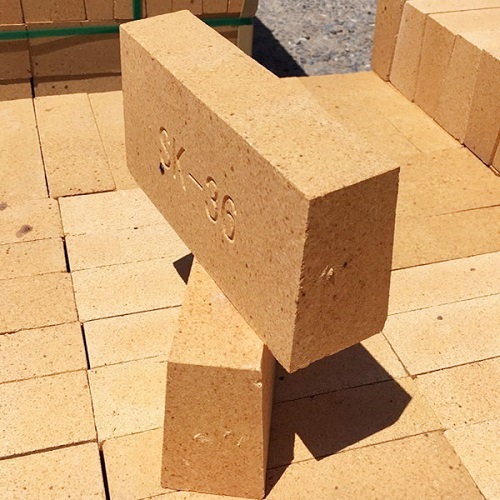
A refractory brick is a kind of high temperature-resistant brick.Unlike ordinary bricks, which soften, crack or melt at high temperatures, refractory bricks can withstand hundreds to over 1,000 °C without deformation, melting or damage. They are specially used in various high-temperature furnaces and kilns.
2. Professional Definition
Refractory BrickA shaped refractory product with high refractoriness, thermal stability, corrosion resistance, erosion resistance and good high-temperature strength. It is an essential material for high-temperature industries.
3. Main Components
Depending on the type, main compositions include:
Alumina (): high-alumina bricks, corundum bricks
Silica (): silica bricks
Magnesia (): magnesia bricks
Zirconia (): zirconia bricks
Clay minerals: fireclay bricks
4. Two Main Categories
- Sintered Refractory Bricks (most common)Raw materials → pressed → high-temperature sintering (without melting)Low cost, widely used.
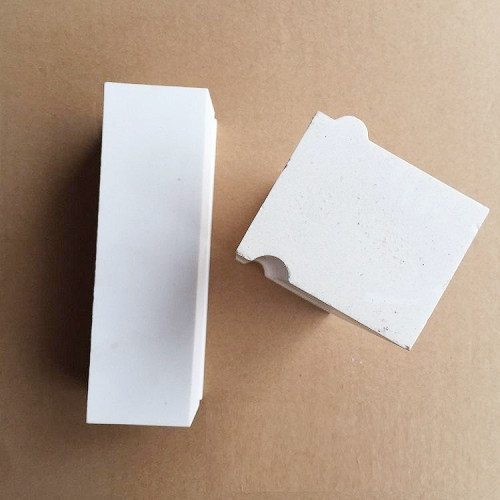
- Fused Cast Refractory BricksRaw materials → completely melted in electric arc furnace → cast and solidifiedExtremely dense, strong corrosion resistance, long service life, high cost.This is the fused cast refractory you asked about earlier.
5. Applications
Refractory bricks are used in all high-temperature industries:
Glass furnaces, steelmaking furnaces
Cement kilns, boilers, coke ovens
Non-ferrous metal smelting
Ceramic kilns, high-temperature chemical reactors
6. One-Sentence Summary
A refractory brick is an industrial brick that resists extreme high temperatures without melting or breaking. Fused cast bricks are the highest-grade, most dense type of refractory brick.
نام مستعار:
محتوا:
کد تایید: 
نظرات را ارسال کنید
اظهار نظر
تلفن:+8613938501758