Glass manufacturing is a high-temperature industrial process that relies heavily on specialized refractory materials to ensure stable production, long furnace service life and superior glass quality. Glass furnace refractories are heat-resistant structural materials designed to withstand extreme operating temperatures above 1500°C, severe chemical corrosion and frequent thermal cycling inside glass melting furnaces. As the inner lining core material of float glass, container glass, fiberglass and special glass furnaces, they insulate the furnace steel shell from high heat and corrosive media, reduce energy consumption, and prevent structural damage to furnace bodies, thus serving as an indispensable foundation for modern glass industrial production.
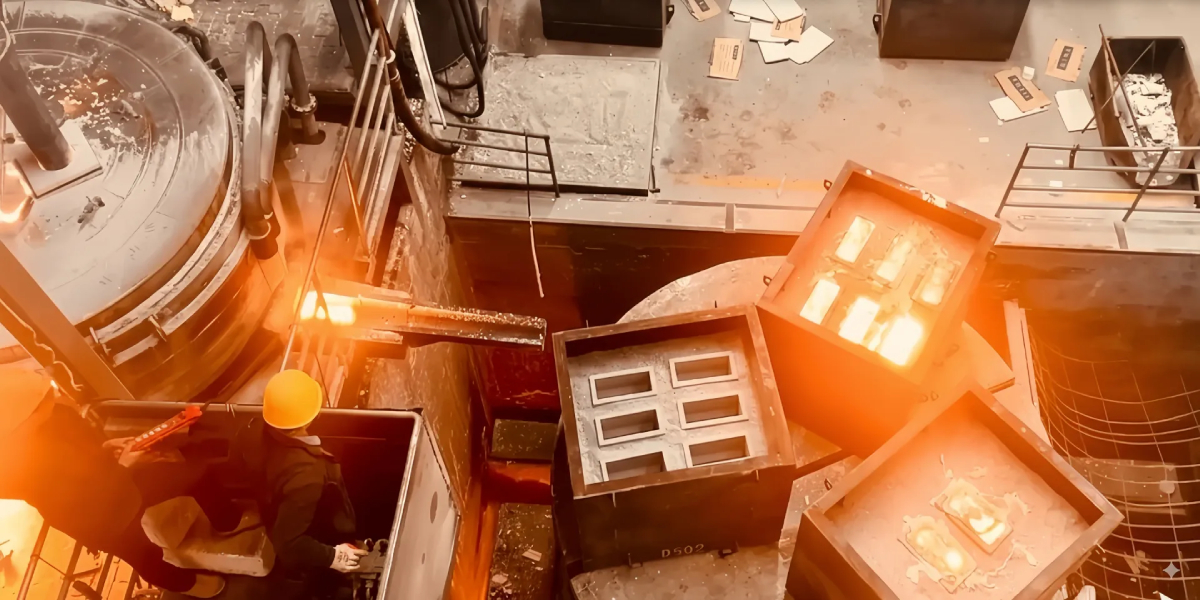
The operating environment of glass furnaces imposes extremely stringent requirements on refractory materials, which differ significantly from refractories used in other high-temperature industries. First of all, excellent high-temperature stability is essential. Glass melting, clarification and homogenization processes require sustained ultra-high temperatures, so refractories must maintain stable mechanical strength and structural integrity without softening, deformation or peeling under long-term high-temperature conditions. Secondly, outstanding chemical corrosion resistance is the core performance indicator. Molten glass and volatile alkali vapors generated during glass melting are highly corrosive; inferior refractories will react with these media, causing erosion, pore expansion and structural damage, and further leading to glass defects such as bubbles and stones. In addition, superior thermal shock resistance is required to adapt to frequent temperature fluctuations in furnace operation, shutdown and maintenance processes, avoiding cracking and peeling caused by rapid temperature changes.
According to chemical composition, manufacturing process and performance characteristics, mainstream glass furnace refractories can be classified into three core categories: fused cast AZS refractories, silica refractories and high-alumina refractories, supplemented by zircon and magnesia-based refractory materials for special working conditions.
Fused cast AZS (alumina-zirconia-silica) refractories are the most widely used high-grade materials for key glass-contact zones. Manufactured through high-temperature melting and integral casting, these bricks feature ultra-low porosity, dense structure and excellent corrosion resistance to molten glass. Different grades of AZS refractories are applied in targeted furnace zones: AZS 41# is used for severe corrosion areas such as furnace throats and bottom paving with long-term glass contact; AZS 36# adapts to glass-line sidewalls of conventional soda-lime glass furnaces; AZS 33# is suitable for relatively mild high-temperature superstructure zones below 1350°C. Compared with bonded refractories, fused cast AZS materials effectively reduce glass contamination and extend furnace campaign life to 10–15 years.
Silica refractories are traditional classic materials for glass furnace crowns and superstructures. With high refractoriness under load, good thermal stability and low thermal expansion coefficient, they can withstand long-term high-temperature baking in furnace upper spaces without deformation. More importantly, silica bricks hardly react with glass vapors, avoiding polluting molten glass, and are cost-effective with stable performance. However, they are not suitable for glass-liquid contact areas due to poor resistance to molten glass erosion, so they are exclusively applied in high-temperature gas zones such as furnace crowns and upper sidewalls.
High-alumina refractories and zircon refractories are mainly used for auxiliary and special furnace zones. High-alumina bricks with alumina content over 99% feature low porosity, non-wetting performance and high chemical inertness, ideal for clarification sections and regenerator checker bricks. They can resist repeated thermal cycles of 800°C to 1400°C dozens of times daily for long-term stable operation. Zircon refractories excel in extreme corrosion resistance and are often used in high-precision glass production furnaces to avoid micro-defects in finished glass products.
Scientific zoned matching of refractories is the key to optimizing glass furnace operation. A complete glass furnace is divided into glass contact zone, high-temperature superstructure zone and regenerator heat storage zone, with different refractory configurations for each area. The glass flux line and furnace bottom, as the most severely eroded areas, adopt high-grade AZS fused cast bricks; the furnace crown and upper sidewalls use high-purity silica bricks; the regenerator checkerwork, undertaking frequent cold and hot cycles, is equipped with high-strength high-alumina bricks. This targeted zoning application balances furnace performance, service life and production costs effectively.
Despite mature application systems, glass furnace refractories still face prominent industrial challenges. Long-term high-temperature corrosion, thermal shock fatigue and mechanical scouring inevitably cause refractory wear, which shortens furnace service life and affects glass yield and quality. Meanwhile, traditional refractory production and use have certain environmental impacts, and energy consumption of high-temperature furnace operation remains high. In response to these problems, the industry is constantly promoting technological innovation: developing ultra-low porosity high-purity refractory materials to enhance corrosion resistance; optimizing refractory formulas to improve thermal shock stability; and researching energy-saving and environmentally friendly refractory products and hot repair technologies to reduce production downtime and maintenance costs.


